Choosing the wrong golf cart supplier can cost you thousands in repairs and lost customers. Many buyers focus only on price, but the manufacturing location determines quality, reliability, and your long-term profit. Do you know where your carts really come from?
Golf carts are primarily manufactured in the United States and China, accounting for 80% of global production. American brands often source components from China and assemble locally. China leads in component manufacturing and complete electric vehicles, with quality varying significantly by region.
I have worked in this industry for over 10 years. I have seen the good factories and the bad ones. The truth is that understanding where golf carts are made will save you money and headaches. Let me share what I have learned about the global manufacturing landscape and how it affects your business.
Which Two Countries Dominate Golf Cart Production?
Are you buying from a country that cannot support your quality standards? The wrong choice means constant breakdowns and angry customers. Your reputation is on the line every time you place an order.
The United States and China are the two dominant producers of golf carts worldwide. Together, they manufacture approximately 80% of all golf carts. The US excels in brand management and final assembly, while China dominates in parts manufacturing and complete vehicle production.
 In my experience in this industry, the global golf cart market is controlled by two giants. The United States has the heritage brands. China has the manufacturing power. But the relationship between these two countries is more connected than most people realize.
The American Approach
American golf cart brands like EZGO and Club Car are household names. They built their reputations over decades. But here is what most buyers do not know. Many of these American brands no longer make every part in the USA. They source frames, wheel hubs, plastic body parts, and other components from China. Then they ship these parts to American factories for final assembly.
This strategy lets them stamp "Assembled in USA" on their products. It also helps them manage costs. American labor is expensive. Chinese manufacturing is efficient and affordable. The combination works well for many brands.
The Chinese Manufacturing Power
China is not just making parts anymore. Chinese factories now produce complete golf carts from start to finish. We have the technology, the supply chains, and the expertise. My factory, Shining Vehicle, is a perfect example. We handle everything from chassis welding to final assembly. We use advanced "Three-Electric" technology from the high-end automotive industry. This puts us ahead of many traditional manufacturers.
I have a client named Jack. He owns a golf cart brand in the United States. Every year, Jack buys large quantities of parts from my factory. He sources batteries from CATL or BYD, both leaders in battery technology. He assembles everything in his facility in America. This approach solves his supply chain problems. He gets reliable parts at competitive prices. His business grows because his supply chain supports his needs.
The parts my factory produces—frames, hubs, and injection-molded plastic components—pass all American and European quality inspections. This proves that Chinese manufacturing quality can match or exceed global standards when you work with the right supplier.
What Are the Quality Differences Between Manufacturing Countries?
You hear "Made in China" and worry about quality. But not all Chinese factories are the same. Choosing the wrong region can ruin your business. How do you tell the difference between a world-class factory and a backyard workshop?
Quality varies dramatically by country and region. US-assembled carts use global components and strict standards. In China, Hebei offers low prices but poor durability, Guangdong has outdated designs, while Shandong (Qingdao) provides automotive-grade quality with modern technology and reliable supply chains.
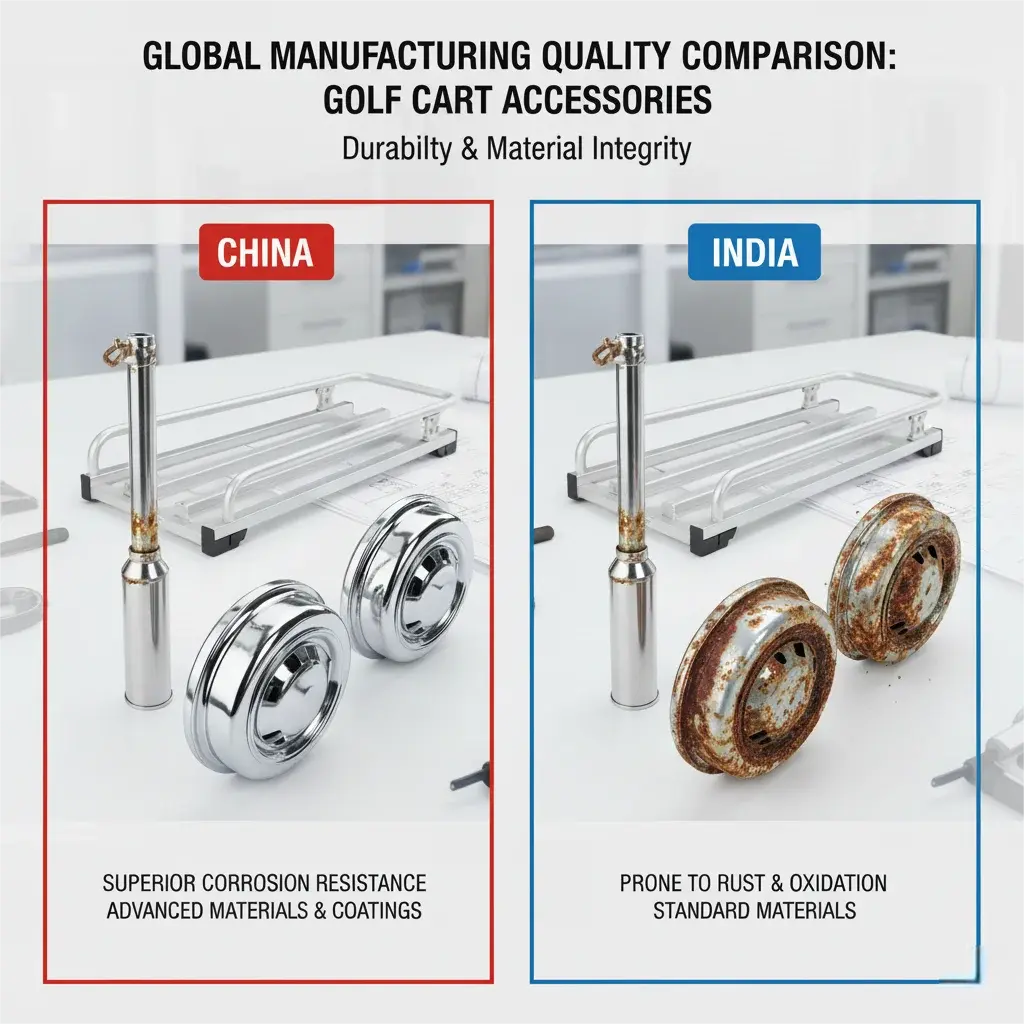 When buyers ask me about Chinese manufacturing, I always explain that geography matters more than the country label. China has thousands of golf cart factories. But they are not equal. Let me break down the three main manufacturing regions in China.
Hebei Province: The Low-Cost Trap
Hebei has many small workshops. The prices are very attractive. Sometimes, their quotes are 50% cheaper than the market average. This sounds like a great deal. But it is a trap.
These workshops operate in small facilities with no quality control systems. They use cheap components that break quickly. They have no after-sales service. In China, we have a saying for these businesses: "One-hammer trading." This means they only want to sell to you once. After they get your money, they disappear. You cannot reach them when problems happen.
I have seen buyers lose thousands of dollars working with Hebei workshops. The initial savings disappear when the carts break down after a few months. Your customers get angry. Your reputation suffers. The cheap price becomes the most expensive mistake you ever made.
Guangdong and Jiangsu: Stuck in the Past
Guangdong and Jiangsu provinces have medium-sized factories. The quality is better than Hebei, but these factories lack innovation. Many still produce golf cart designs from 2010 or earlier. The styling is outdated. The technology is old. They use lead-acid batteries instead of modern lithium. The controllers are basic.
These factories are fine if you need simple, traditional carts. But if you want to compete in today's market, you need modern features. Your customers expect smartphone connectivity, lithium batteries, and sleek designs. Guangdong and Jiangsu factories struggle to deliver this.
Shandong (Qingdao): The Sweet Spot
Shandong province, especially the Qingdao area, offers the best balance. This is where my factory is located. Qingdao is near one of China's automotive birthplaces. We have access to professional automotive supply chains. The parts we source are made to automotive standards, not toy standards.
Factories in Qingdao are larger and more professional. We have stable delivery schedules. We invest in technology. At Shining Vehicle, we use EVE lithium battery cells, which rank in the global top three. We use controllers made by suppliers who work with Toyota. Our quality control includes professional testing equipment that small workshops cannot afford.
The price is moderate—not the cheapest, but not expensive like pure US-made products. You get automotive-grade quality at competitive prices. This is the cost-performance sweet spot for serious buyers.
| Region | Factory Scale | Price Level | Technology | Reliability | After-Sales Support |
|---|---|---|---|---|---|
| Hebei | Small workshops | Very low | Outdated | Poor | None |
| Guangdong/Jiangsu | Medium | Medium-high | 2010-era designs | Moderate | Basic |
| Shandong (Qingdao) | Large, professional | Moderate | Automotive-grade | High | Comprehensive |
How Does Manufacturing Location Affect Import Costs and Tariffs?
Tariffs can destroy your profit margin overnight. Governments change policies without warning. If you do not plan your logistics carefully, you could lose money on every cart you sell. How do you protect yourself?
Manufacturing location directly impacts import duties and shipping costs. Smart suppliers help you navigate tariff policies through strategic shipping methods like SKD (semi-knocked down) assembly and proper documentation. Working with experienced logistics partners ensures stable profit margins despite policy changes.
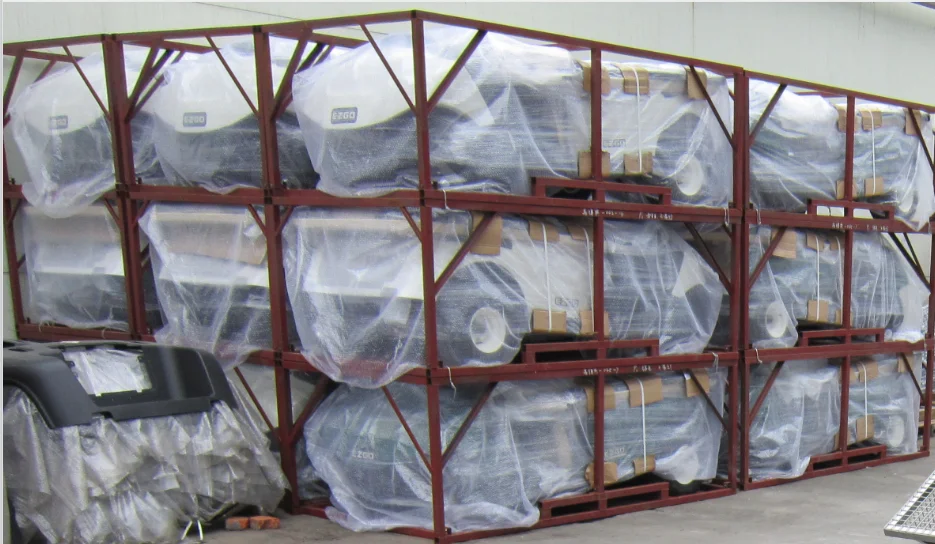 Many of my clients worry about tariffs. This worry is valid. Tariff policies change based on politics and economics. One month, the rate is 10%. The next month, it jumps to 25%. These fluctuations can kill your business if you are not prepared.
Understanding Tariff Impact
When you import a complete golf cart (CBU - Completely Built Unit), you pay the full tariff rate on the entire value. This can be expensive. But there are legal ways to reduce this cost.
One strategy is SKD (Semi-Knocked Down) shipping. Instead of shipping a complete cart, you ship it in major components. The buyer assembles these components locally. Many countries charge lower tariffs on parts than on complete vehicles. This strategy is legal and widely used in the automotive industry.
Our Logistics Solution
At Shining Vehicle, we do not just build golf carts. We help you move them efficiently. My logistics team and I spent years testing different shipping methods. We developed a complete delivery process that minimizes import tariffs for our clients.
We help you choose the right shipping method based on your country's tariff structure. We prepare all documentation perfectly to avoid customs delays. We have relationships with reliable freight forwarders. We track every shipment to ensure on-time delivery.
Our goal is simple. We want to guarantee the lowest possible import tariffs for you. We want to ensure that tariff fluctuations do not impact your profit margins. When you work with us, you get a partner who thinks about your total landed cost, not just the factory gate price.
Jack, my American client, uses our logistics solutions. He told me that our shipping strategy saves him 15-20% on import costs compared to his previous supplier. This saving goes straight to his bottom line. It makes his business more competitive.
Where Does Shining Vehicle Rank Among the Top 10 Global Manufacturers?
Big brand names feel safe, but are they the best choice for your needs? Legacy manufacturers can be slow to innovate. Meanwhile, new leaders are emerging with better technology. Where should you place your trust?
Global leaders like EZGO and Club Car dominate by market share. However, Shining Vehicle has become China's top manufacturer by adopting advanced automotive "Three-Electric" systems (battery, motor, controller), offering superior electric vehicle technology that often exceeds traditional brands' capabilities.
 When people ask about the top 10 golf cart manufacturers, the usual names come up. EZGO and Club Car are undoubtedly the largest by sales volume and brand recognition. They have been in business for decades. They supply major golf courses and resorts worldwide.
Respecting the Giants
I respect these companies. They built the industry. They established quality standards. They created the market that we all work in today. But the market is changing. The old leaders are not always the innovation leaders anymore.
The New Wave of Technology
At Shining Vehicle, we took a different approach. We asked ourselves: why are golf carts still using technology from 20 years ago? Why do customers accept poor battery life, weak motors, and basic features? The answer is that they should not accept this anymore.
My team and I introduced advanced "Three-Electric" technology from China's high-end automotive industry into our golf carts. This technology includes:
-
Advanced Battery Systems: We use EVE lithium battery cells. EVE is in the global top three for battery manufacturers. These batteries last longer, charge faster, and are safer than old lead-acid batteries. They also weigh less, which improves performance.
-
Professional Controllers: We source controllers from suppliers who manufacture for Toyota. These controllers are more efficient. They provide smoother acceleration. They protect the motor and battery better. They last longer under heavy use.
-
High-Quality Motors: Our motors come from the same supply chain that serves the Chinese electric vehicle industry. They are more powerful and more reliable than traditional golf cart motors.
This technology integration puts us "far ahead" in the electric golf cart field in China. We have surpassed traditional Chinese golf cart manufacturers who still use old technology. We compete directly with American brands on quality while offering better value.
What Makes Us #1 in Innovation
We do not claim to be the biggest by volume. EZGO and Club Car still sell more units. But we claim to be the leader in applying modern electric vehicle technology to golf carts. Our clients tell us that our carts perform better and last longer than the traditional brands they used before.
We also offer something the big brands struggle with: flexibility. Big companies have rigid product lines. They want you to buy what they make. At Shining Vehicle, we customize everything. You want a different color? Done. You want your logo on the body? Easy. You want a special battery configuration? We can engineer it.
This combination—advanced technology plus customization—makes us the first choice for dealers and brand owners who want to differentiate themselves in the market.
How Does the Parts Supply Chain Differ by Region?
A golf cart is only as good as its parts. If the supply chain for components is weak, your carts will fail. How do you know if your supplier has access to quality parts?
Parts supply chain quality varies dramatically by region. Shandong (Qingdao) benefits from proximity to China's automotive industry, offering professional-grade components. Hebei offers cheap but fragile parts. Access to top-tier suppliers like EVE (batteries) and Toyota-certified controller manufacturers determines long-term reliability.
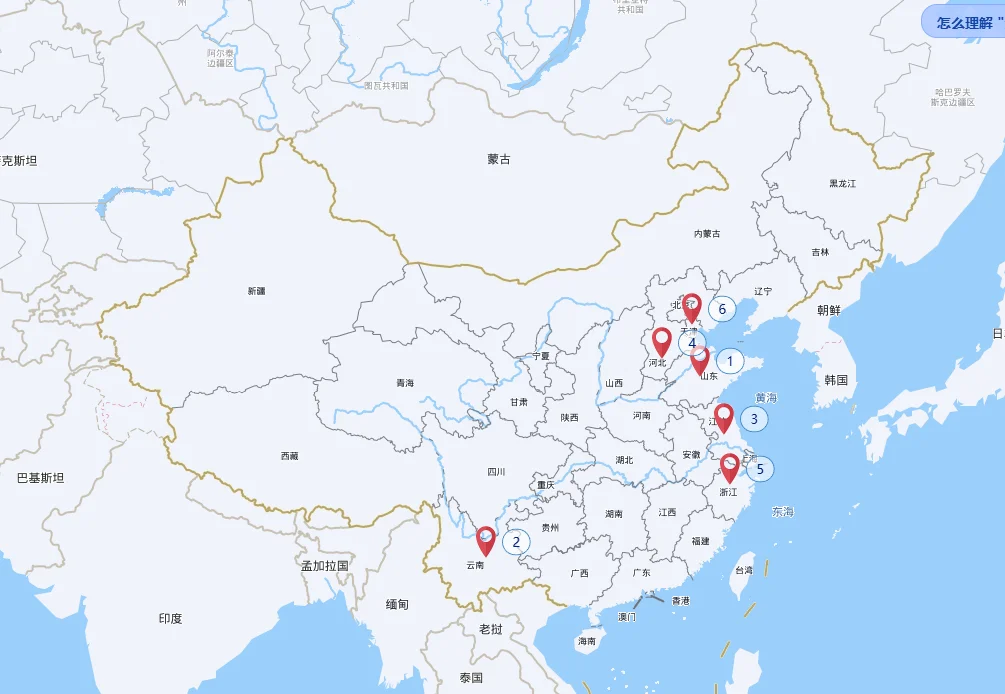 The supply chain for golf cart parts is critical. You cannot build a quality vehicle with poor components. This is where geography really matters in China.
The Hebei Parts Problem
Hebei province has many parts suppliers. The prices are very low. But there is a reason for this. The quality is poor. These parts use cheaper materials. The manufacturing processes are simpler. The quality control is minimal or nonexistent.
I have seen bolts that strip after one season. Plastic parts that crack in cold weather. Wheel bearings that fail after a few hundred kilometers. When you use Hebei parts, you save money today but lose money tomorrow through warranty claims and unhappy customers.
The Shandong Supply Chain Advantage
Qingdao and the surrounding Shandong region have a massive advantage. We are near the origin of China's automotive industry. Major car manufacturers have operations here. This created a professional supply chain for automotive-grade components.
When I need a chassis component, I can source it from a supplier who also makes parts for passenger cars. When I need plastic injection molding, I use factories that meet automotive industry standards. When I need electronic components, I have access to the same suppliers used by EV manufacturers.
This supply chain access is why Qingdao factories can produce higher quality products. We do not need to compromise on parts quality. We have options. We can choose the best suppliers for each component.
Key Supplier Relationships
At Shining Vehicle, we built relationships with top-tier suppliers:
- Batteries: We use EVE lithium cells. EVE supplies major automotive manufacturers. Their quality control is strict. Their safety record is excellent.
- Controllers: Our controllers come from factories that supply Toyota and other major brands. These are not "generic" controllers. They are automotive-grade.
- Motors: We source from the electric vehicle supply chain, not the toy industry.
- Chassis Components: Our welding, painting, and assembly processes follow automotive industry standards, not bicycle industry standards.
These relationships take years to build. Small factories do not have the volume or credibility to work with these suppliers. This is one reason why choosing the right manufacturing partner matters so much.
As I discussed in my previous article about golf cart costs (https://shiningcarts.com/how-much-does-a-golf-cart-cost-in-2026/), the quality of components directly affects long-term value. A cheap cart with poor parts becomes expensive through repairs and replacements.
How Do You Choose the Right Golf Cart Factory for Your Supply Chain?
Making the wrong supplier choice is expensive and painful. You lose time, money, and customers. What should you look for to avoid this disaster? How do you separate professional manufacturers from pretenders?
Choose suppliers based on component quality (automotive-grade preferred), testing facilities, transparent manufacturing processes, and proven after-sales support. Verify they use branded parts like EVE batteries and Toyota-certified controllers. Inspect production lines for welding, electrophoresis, painting, and assembly capabilities.
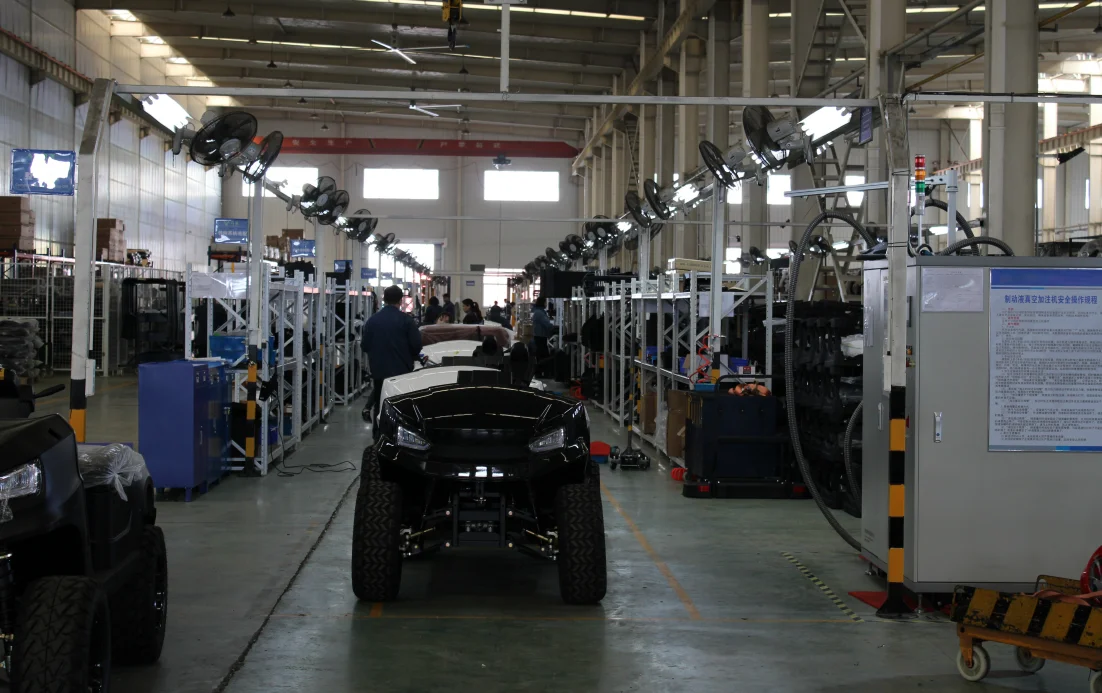 Choosing the right factory is the most important decision you will make. The wrong choice can destroy your business. The right choice can make you successful. I have seen both outcomes many times in my career.
Red Flags to Avoid
First, let me tell you what to avoid. These are the warning signs of a bad supplier:
-
Prices That Are Too Good to Be True: If a factory quotes 50% below market average, run away. They are using terrible components or cutting corners on safety.
-
No Testing Equipment: Professional factories have testing facilities. We have dynamometers for motor testing. We have battery testing equipment. We have chassis stress testing. If a factory cannot show you their test lab, they do not have quality control.
-
Vague Answers About Components: Ask where they source their batteries. Ask about their controllers. Ask about their motors. If they give vague answers or claim "we make everything ourselves," they are lying or using no-name parts.
-
No After-Sales Process: Ask about warranty support. Ask about spare parts availability. If they hesitate or change the topic, they do not support their products after sale.
What to Look For
Now let me tell you what makes a good supplier. These are the green flags:
-
Branded Components: Do they use EVE or CATL batteries? Do they use branded controllers and motors? Branded components have warranties and proven track records.
-
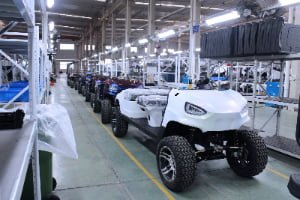
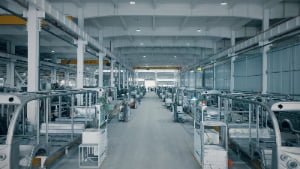
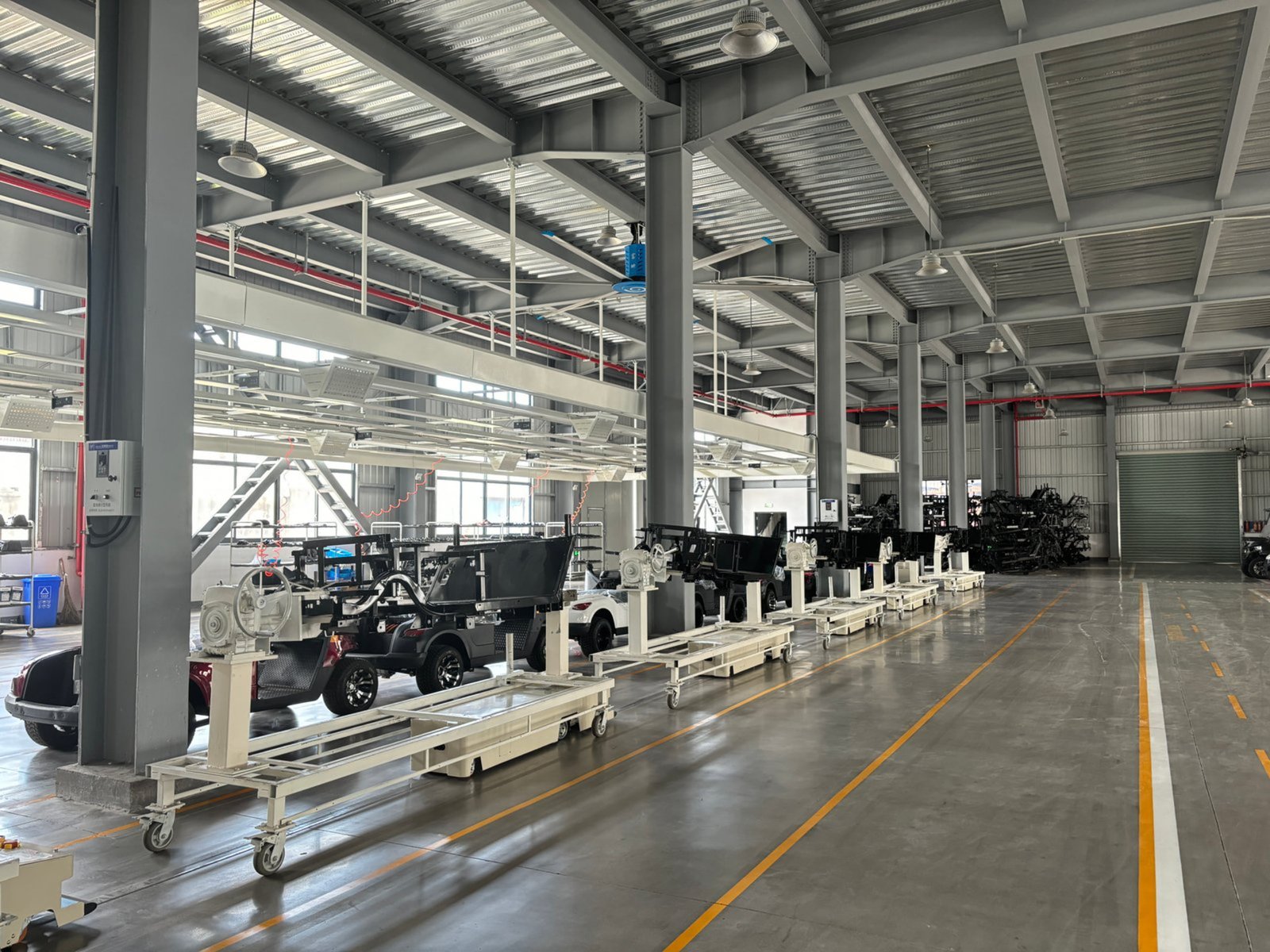
Professional Production Lines: A real factory has multiple production lines. At Shining Vehicle, we have separate lines for chassis welding, electrophoresis (anti-rust treatment), powder coating, body painting, engine assembly, and final assembly. Each line has workers with 5+ years of