You see prices ranging from $5,000 to over $20,000 online. It is very confusing. You want to get the best deal without buying a lemon that breaks down in a month. Let me break down the real costs for you.
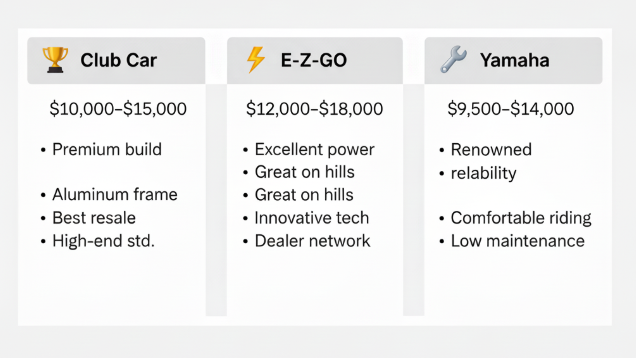
A new golf cart1 typically costs between $8,000 and $18,000 in retail markets like the US. However, factory-direct prices2 for high-quality electric carts from China often range from $6,000 to $8,000. The final price depends on battery type3, seating capacity4, and necessary road-legal certifications5.
 I have spent nearly 20 years manufacturing golf cart1s. I have seen how pricing works from the inside. I know exactly where every cent of your money goes. Now, let us look at why some carts cost double what others do and how you can save money.
Why Do Prices Vary So Much Between Brands and Regions?
You might see a cart for $18,000 in Florida and a similar one for much less elsewhere. Is the expensive one really worth it? Or are you just paying for the middleman's profit?
Dealers in the US and South America often charge $15,000 to $18,000 for carts that cost factories roughly $6,000 to $8,000 to make. This markup covers shipping, tariffs, and dealer profit. Buying directly from a reputable manufacturer like Shining can save you nearly 50% on the same technology.
I have traveled extensively to understand global markets6. My friend Jack and I visited dealerships in the United States, Belize, and South America. We found a very interesting pattern. The local dealers in these places were selling carts for $15,000 to $18,000. This price is almost double what we sell them for at our factory.
My own factory produces a high-quality 4-seater lithium battery golf cart1. The production cost7 for this unit is usually between $6,000 and $8,000. So, why is the gap so big? It is not always about better quality.
In fact, I did research with our American distributors. We found that 60% to 70% of the electric golf cart1s and parts sold in the US actually come from Chinese factories. This is because China's "Three-electric" technology (battery, motor, and electronic control) is very mature. It is often more advanced than technology in other countries. When you buy from a local dealer, you are paying for their rent, their staff, and their marketing. If you are a business owner or a dealer yourself, buying direct cuts out these extra costs.
Price Composition Breakdown
| Cost Component | Factory Direct (China) | US/Local Dealership |
|---|---|---|
| Base Unit Cost | $6,000 - $8,000 | $6,000 - $8,000 |
| Shipping & Tariffs | Variable | Included |
| Dealer Markup | $0 | $5,000 - $8,000 |
| Sales Commissions | $0 | $1,000 - $2,000 |
| Total Estimated Price | $6,000 - $8,000 (+ shipping) | $15,000 - $18,000 |
What Are the Real Maintenance Costs: Lead-Acid vs Lithium?
The initial price is not the only cost you need to worry about. Bad batteries can drain your wallet fast. Do you know the real difference between lead-acid and lithium options?
Lead-acid batteries cost less upfront but require replacement every two years at $800 to $1,200. Lithium batteries last 5 to 8 years and often come with a 5-year warranty. Over a decade, lithium batteries8 are the cheaper and more reliable choice for golf cart1 owners.
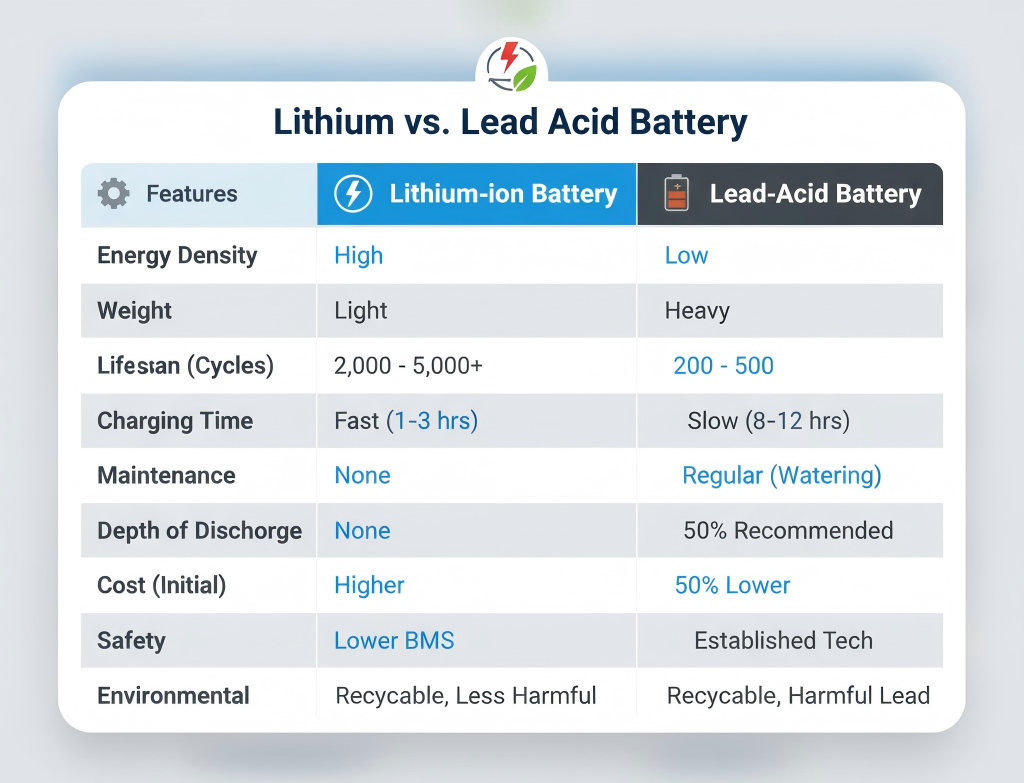 When you look at the long-term cost of owning a golf cart1, the battery is the biggest factor. In my experience, maintenance costs9 for the cart itself are quite low. Our individual sellers usually spend only about $100 on general parts like brake pads or tires. The big expense is always the power source.
I always tell my clients to look at the math. A lead-acid battery is cheaper when you first buy the cart. But, it needs to be replaced every two years. Every time you replace it, you will spend between $800 and $1,200. If you keep the cart for 8 years, you might buy four sets of batteries. That is a lot of money and a lot of hassle.
On the other hand, a lithium battery can last 5 to 8 years. At our factory, we provide a 5-year warranty for our lithium batteries8. This gives you peace of mind. Although the lithium cart might cost a little more at the start, you save thousands of dollars in the long run because you do not need to replace the battery constantly. Also, getting parts in the US can be expensive. That is why we provide parts services10 for Shining customers. We help lower your maintenance bills by supplying direct parts.
8-Year Cost Projection
| Feature | Lead-Acid Battery | Lithium Battery |
|---|---|---|
| Lifespan | 2 Years | 5-8 Years |
| Replacement Cost | $800 - $1,200 per set | Included in initial purchase |
| Replacements Needed (8 yrs) | 3-4 times | 0-1 times |
| Total Battery Cost | $3,200 - $4,800 | $0 (after initial purchase) |
| Maintenance Required | High (Water filling, cleaning) | Zero Maintenance |
How Does Choosing a Cheap Manufacturer Hurt You?
You see a cart for $4,000 online. It looks the same as the $8,000 one. Why should you pay more? The answer might save you from a total disaster.
Carts priced around $4,000 often come from low-quality regions like Dezhou or Hebei. They use mismatched electronics, fake battery specifications, and steel that rusts quickly. These defects lead to high repair costs and safety risks, proving that the cheapest option is often the most expensive long-term.
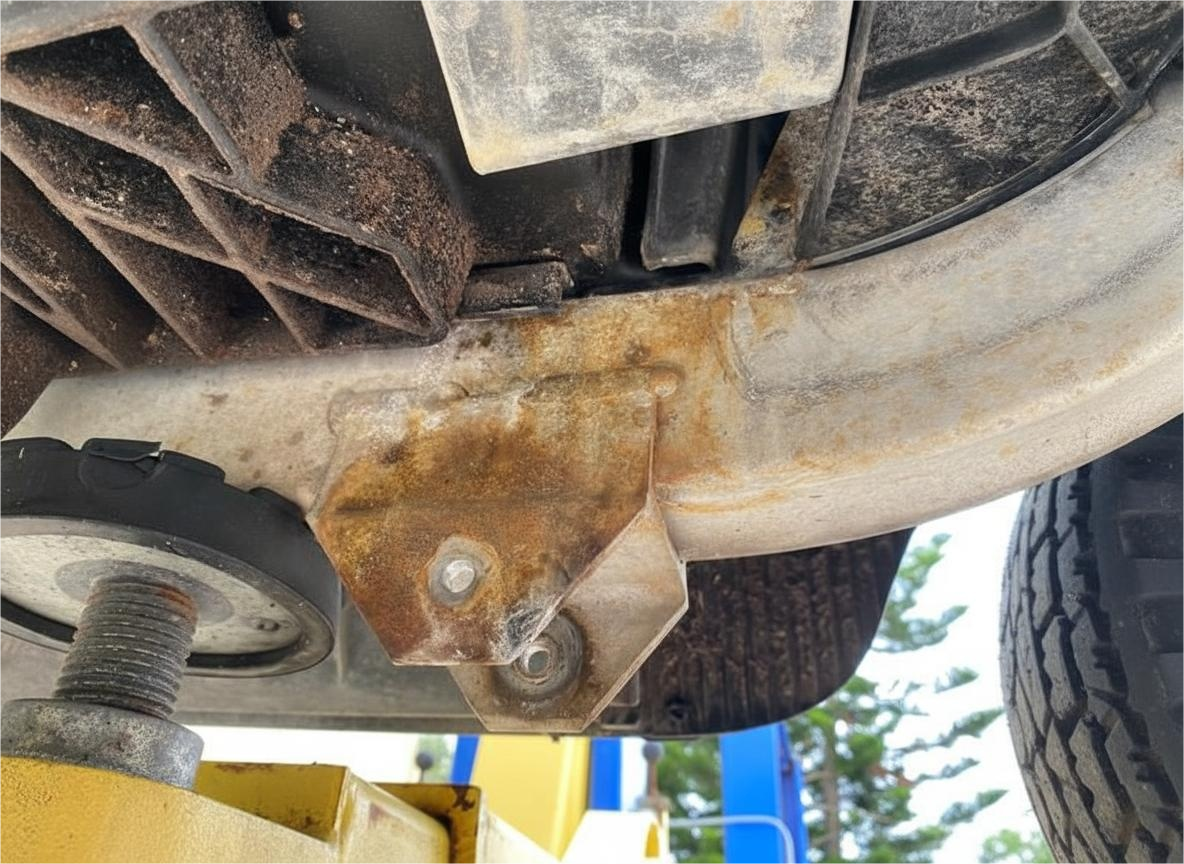 In China, there are specific regions like Dezhou and parts of Hebei that are famous for making very cheap golf cart1s. They sell these units for $4,000 to $5,000. They achieve this price by cutting every corner possible. I have had customers come to me after buying these carts because they wanted to save money. They regretted it deeply.
The problems with these cheap carts are serious. First, the batteries often have "fake labels." This means they say they have a high capacity, but they run out of power very quickly. Second, the electronic design is unreasonable. The dashboard often shows information that does not match reality. You might think you are going 10 mph, but you are going 20 mph, or the battery meter says full when it is empty.
We also see physical problems. The seats start peeling after a few months. The steel structure begins to rust because the paint process is poor. The worst issue is mismatched "Three-electric" systems (battery, motor, controller). This causes strange noises while driving and frequent breakdowns. We often have to help these customers fix their carts, but the cost of repairs adds up. As the Chinese saying goes, "Greed for small cheap things leads to big losses."
Common Risks with "Cheap" Carts ($4k-$5k range)
- Battery Fraud: Actual capacity is much lower than advertised.
- Safety Hazards: Mismatched controllers cause sudden stops or surges.
- Structural Failure: Non-treated steel frames rust in humid climates.
- Phantom Electrical Issues: Wiring harnesses are often thin and poorly connected.
- No Support: These small factories often disappear when you need warranty parts.
What Are the Legal Requirements for Road Use?
You bought a cart. Now the police say you cannot drive it on the street. How do you avoid this legal nightmare?
To drive on public roads, US carts need LSV certification11, while European carts require COC certification12. Without these specific documents, your vehicle is limited to private property. Always verify the cart meets the legal standards of your specific country or state before purchasing.
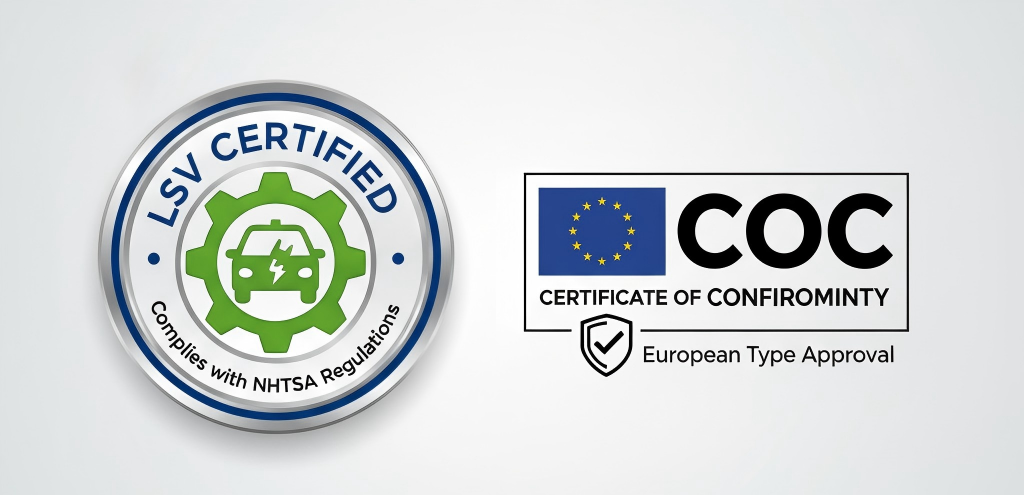 Different countries have very different rules for golf carts. You cannot just buy any cart and drive it to the supermarket. I have a private customer named Jefferson. He told me specifically that in the US, his cart needed to be an LSV (Low Speed Vehicle). Because his cart passed the LSV certification, he uses it every day in his community. For him, it is more convenient than driving a big car for short trips.
Europe is different. My German clients tell me they absolutely need COC (Certificate of Conformity) certification. If a cart does not have this paper, they are only allowed to use it inside closed parks or private golf courses. They chose Shining specifically because we provide this certification.
If you are a dealer, this is critical. You cannot sell a cart for street use if it does not have the right tag. In the US, this often means the cart needs seat belts, turn signals, specific headlights, and a VIN number. Always ask your supplier about "homologation" or road-legal status before you place an order.
Regional Requirements Table
| Region | Certification Needed | Usage Scope |
|---|---|---|
| USA | LSV (Low Speed Vehicle) / DOT | Public roads with speed limits <35mph |
| Europe | COC (Certificate of Conformity) | Public roads registration |
| Private Use | None (Standard) | Golf courses, gated properties, farms |
How Long Will Your Golf Cart Actually Last?
Will your investment last for a decade? Or will it be junk in three years? Knowing the lifespan helps you plan your budget accurately.
A well-maintained golf cart1 typically lasts 8 to 10 years. However, many private owners upgrade every 4 to 5 years for newer styles. With proper care and parts support, the only major recurring expense during this lifespan is the battery replacement.
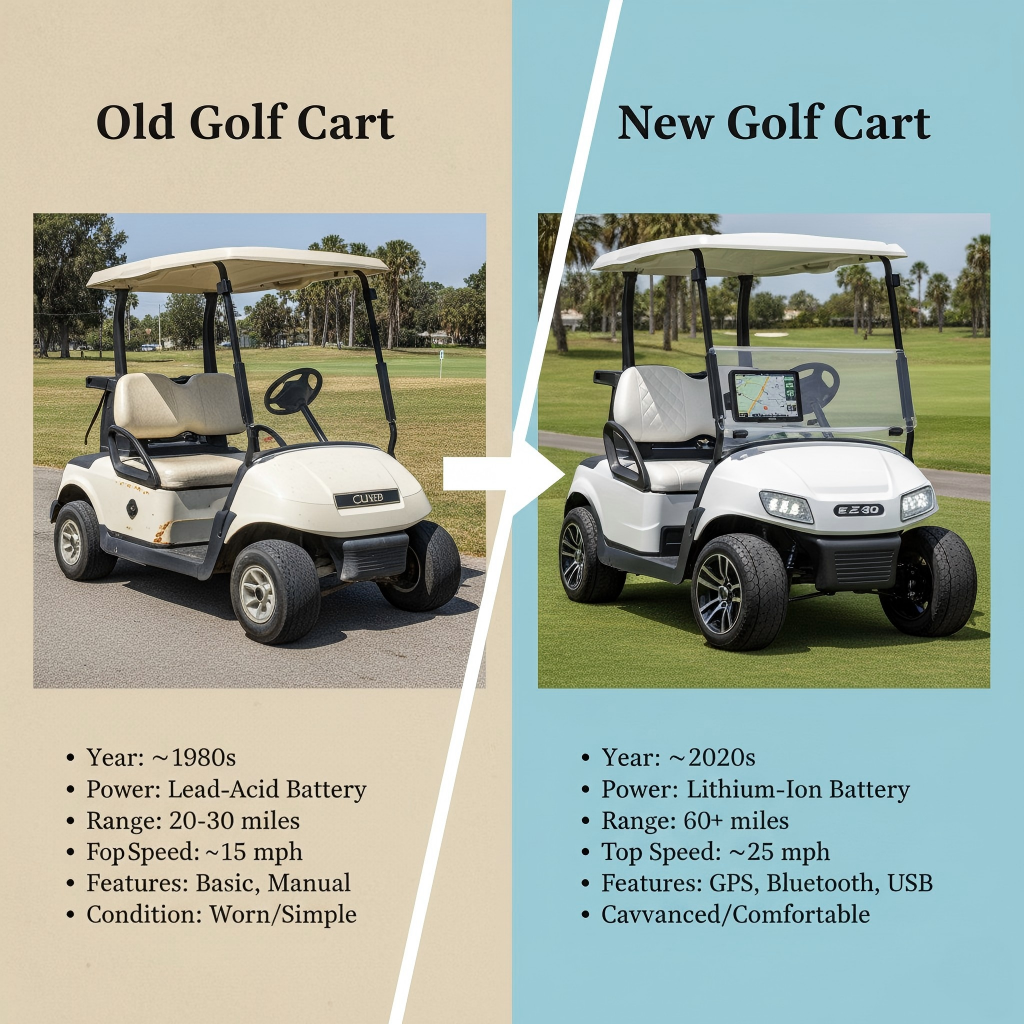 We care about how our products perform over time. In 2018, we did a return visit survey with customers who had been using our carts for years. The data showed that a good golf cart1 generally lasts for 8 to 10 years. The chassis and body are very durable if they are made correctly.
However, we noticed a trend. Most personal owners do not wait until the cart dies. They usually replace their carts every 4 to 5 years. This is not because the cart is broken. It is because they want the new style. Just like cars, golf cart1 designs change, and people want the latest look.
If you are a golf course manager or a rental business, you might keep them longer. The key to hitting that 10-year mark is simple maintenance. As I mentioned earlier, the maintenance cost is low—around $100 a year for small parts—as long as you choose a reliable battery. If you buy a high-quality cart with a lithium battery now, you can expect it to serve you well into the 2030s.
Factors That Extend Lifespan
- Storage: Keeping the cart in a garage prevents rust and sun damage.
- Charging Habits: proper charging cycles (especially for lead-acid) save the battery.
- Tire Pressure: Keeping tires filled reduces strain on the motor.
- Quality Parts: Using OEM parts13 (like Shining provides) instead of cheap generic fixes.
Conclusion
Buying a golf cart1 is an investment. You can pay $6,000 for a factory-direct gem or $18,000 for the same thing at a dealer. Just remember to choose lithium batteries8, check for road-legal certifications5, and avoid the "too good to be true" cheap options.
About Shining Vehicle
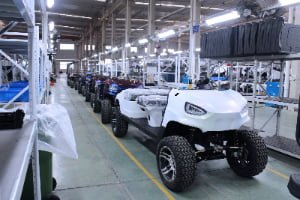
Shining Vehicle is a golf cart1 manufacturer with over 10 years of production experience, headquartered in China. We provide high-quality, customized golf cart1 solutions for brand owners, wholesalers, and distributors. Our facilities include chassis welding, electrophoresis, powder coating, body painting, gasoline engine production, and assembly lines. All lines are staffed by production personnel with over 5 years of experience to ensure product stability.
Our Services
- Products: One-stop golf cart1 solutions.
- Customization: Custom colors, logos, and configurations.
- International Certifications: ISO9001, CE, WMI.
Quality Assurance
- Key Components: We use controllers and motors manufactured by Toyota suppliers for better durability and stability. We use EVE lithium battery cells (top 3 globally) for longer life and higher safety.
- Quality Control: Professional testing benches for rigorous and accurate testing.
- Factory Inspection: 100% factory inspection to ensure high standards.
- Certifications: Passed EPA, LSV, SGS, DOT, and other certifications.
Production Capacity
- High-Quality Manufacturing: Dust-free workshop assembly.
- High-End Customization: Providing durable, compliant products for global brands.
- Flexible Solutions: Customized according to customer needs to boost market competitiveness.
Global Influence
We serve customers worldwide, with export and service experience in over 60 countries. We provide reliable products and customized solutions to help drive business growth and build customer trust.
Explore the latest pricing trends and factors affecting golf cart costs. ↩
Learn how factory-direct purchases can save you money. ↩
Understanding battery types can help you make informed purchasing decisions. ↩
Learn how seating capacity influences the overall cost of golf carts. ↩
Ensure your golf cart meets legal requirements for safe road use. ↩
Explore how global market trends influence golf cart prices. ↩
Gain insights into the factors that affect golf cart production costs. ↩
Find out why lithium batteries are a better long-term investment. ↩
Get insights into the ongoing costs of owning a golf cart. ↩
Find out how parts services can help reduce maintenance costs. ↩
Understand the importance of LSV certification for road use. ↩
Learn about COC certification requirements for European golf carts. ↩
Discover why using OEM parts can save you money in the long run. ↩