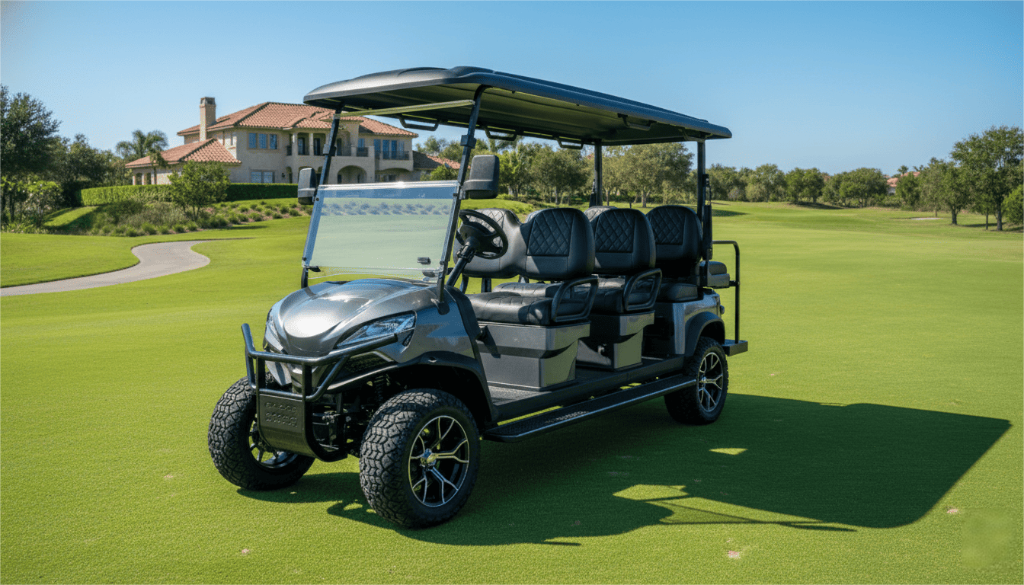
Golf courses worldwide are struggling with rising fuel costs and environmental pressure1. Traditional gas-powered carts drain budgets while electric models limit operational range. Hybrid golf carts2 combine gas engines with electric motors, delivering 40-50% better fuel efficiency3 than traditional carts. They offer extended range4, reduced emissions, and lower operating costs5, making them increasingly popular among golf courses and resorts. The golf cart industry stands at a crossroads. After spending years researching hybrid systems at our factory, I've witnessed firsthand how this technology transforms course operations. Let me share what I've learned about hybrid golf carts and why they might reshape the entire industry.
Is the Golf Cart Industry Ready for Hybrid Technology?
Golf courses face mounting pressure to reduce costs and environmental impact. Electric carts often fall short on busy days when range matters most.
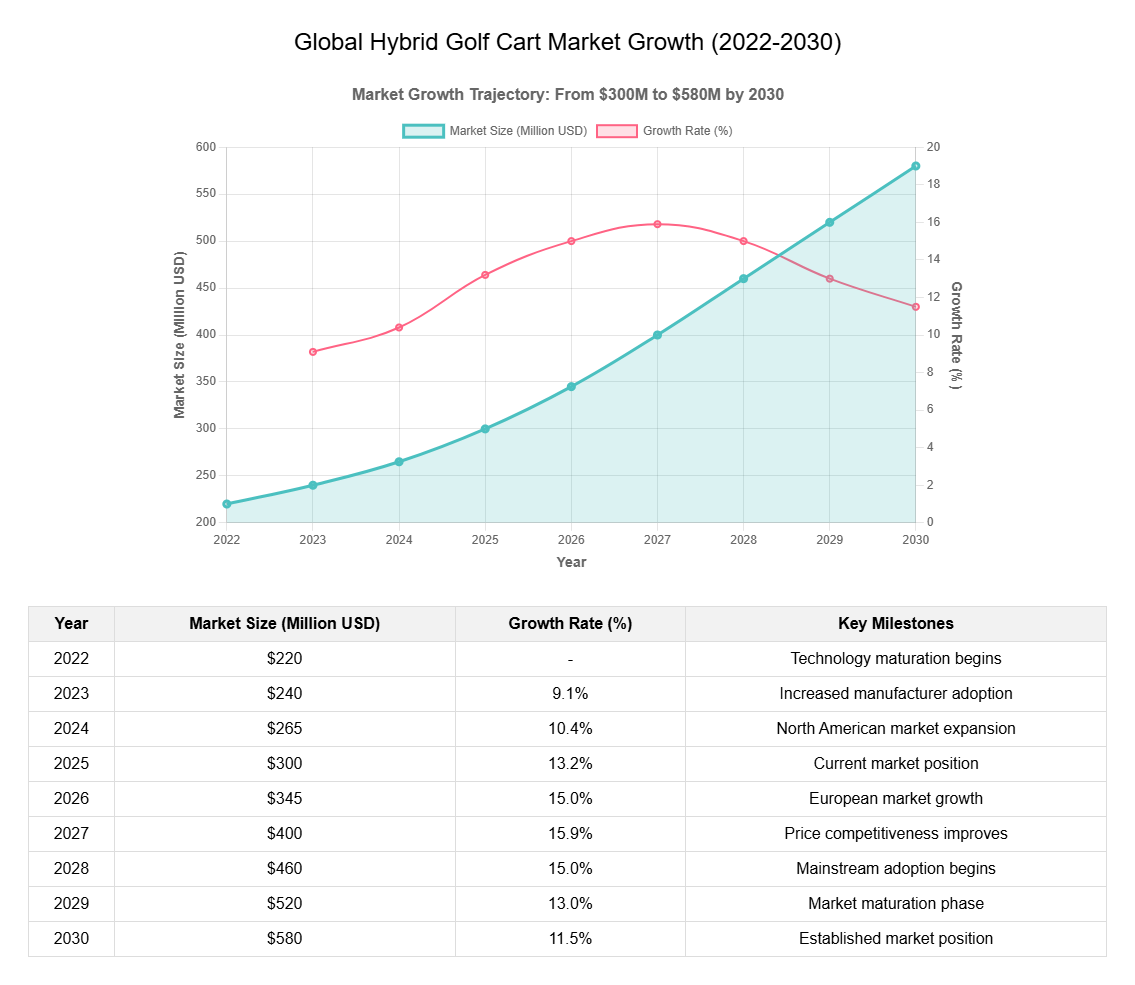
The hybrid golf cart market reached $300 million globally in 2025, growing 9-10% annually since 2022. North America leads adoption, with 30% of our factory orders coming from US customers seeking efficient, street-legal solutions.
Market Development and Regional Trends
The hybrid golf cart revolution started quietly but gained serious momentum. Our factory began researching hybrid systems in 2018. Back then, we only had simple gas engines with battery assistance. Today, we manufacture plug-in hybrid systems that transform course operations.
North America drives this market growth6. Our customer data shows strong demand from developed regions including Europe, Japan, Korea, and Australia. Golf courses in these areas face strict emission standards7 and rising fuel costs. Hybrid carts solve both problems.
Chinese hybrid technology advancement accelerated this trend. Government support and technology transfer programs helped manufacturers like us develop sophisticated systems. We moved from basic gas-electric combinations to advanced plug-in hybrids in just seven years.
| Region | Market Share | Growth Driver | Primary Use Case |
|---|---|---|---|
| North America | 35% | Environmental regulations | Golf courses, resorts |
| Europe | 25% | Emission standards | Private clubs, hotels |
| Asia-Pacific | 20% | Technology adoption | Premium facilities |
| Others | 20% | Cost efficiency | Mixed commercial use |
How Do Hybrid Golf Cart Systems Actually Work?
Understanding hybrid technology seems complex, but the basic principle is simple. Gas engines and electric motors work together to maximize efficiency.
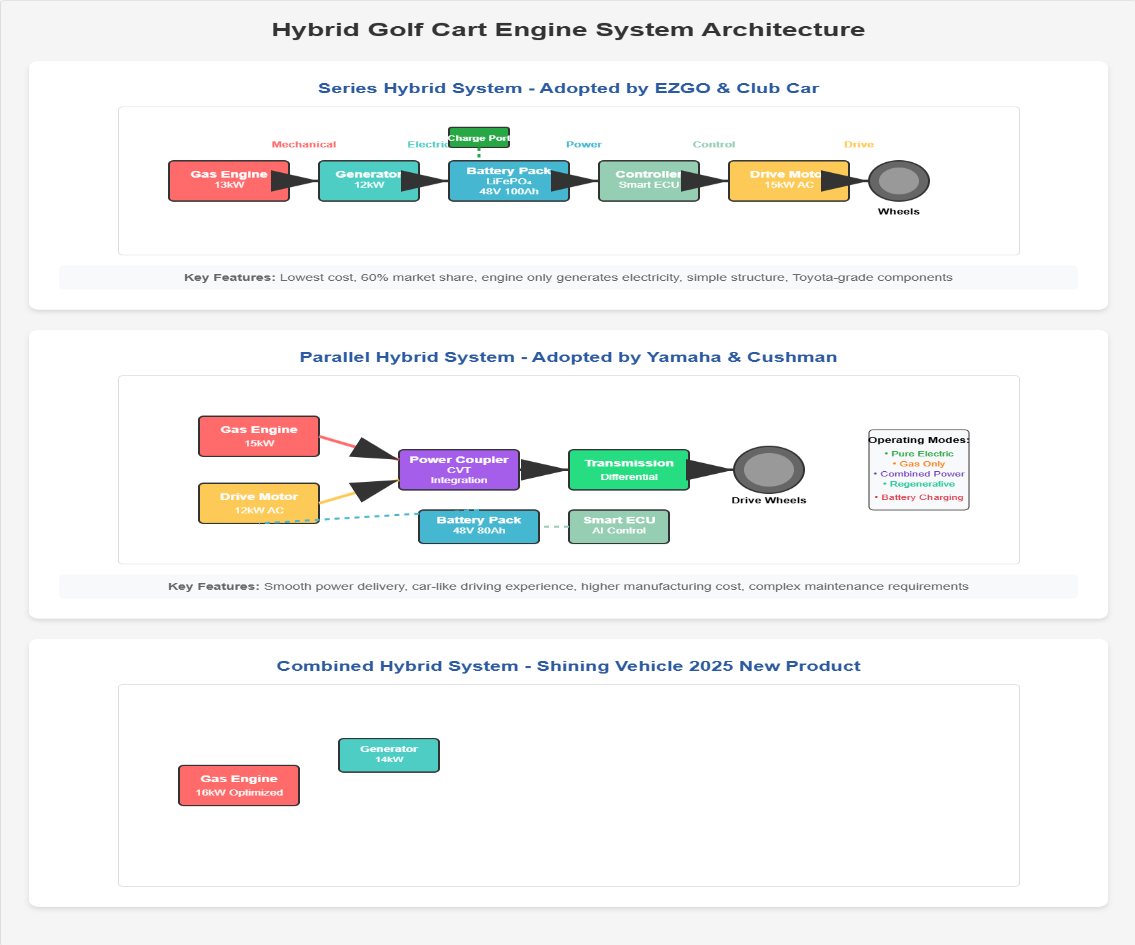
Three main hybrid systems exist: series, parallel, and combined. Series systems dominate the market due to lower costs, while parallel systems offer smoother performance but higher maintenance expenses.
Technical Systems Breakdown
Most manufacturers choose series hybrid systems. Companies like EZGO and Club Car use this approach because it costs less to build and maintain. The gas engine charges the battery while the electric motor drives the wheels. This setup works well for stop-and-go golf course driving.
Yamaha and Cushman take a different approach. They focus on parallel hybrid systems where both the gas engine and electric motor can drive the wheels directly. This creates a smoother driving experience that feels more like a car. The downside? Manufacturing and maintenance costs run much higher.
Our factory is developing combined hybrid systems that merge series and parallel advantages. We plan to launch this new model in early next year. Combined systems switch between modes based on driving conditions. Low-speed course driving uses electric power while highway speeds engage the gas engine.
| System Type | Cost | Performance | Complexity | Market Share |
|---|---|---|---|---|
| Series | Low | Good | Simple | 60% |
| Parallel | High | Excellent | Complex | 25% |
| Combined | Medium | Superior | Moderate | 15% |
What Advantages Do Hybrid Golf Carts Offer?
Golf course managers constantly balance operational costs with customer satisfaction. Hybrid carts address multiple pain points that traditional gas or electric models cannot solve alone.
Hybrid golf carts2 deliver 40-50% better fuel efficiency3 than gas models while offering unlimited range unlike electric carts. They meet federal road standards, enabling street use for short-distance travel.
Operational and Economic Benefits
Fuel efficiency improvements directly impact bottom lines. Our hybrid systems reduce fuel consumption by nearly half compared to traditional gas carts. Golf courses running 50+ carts save thousands of dollars annually on fuel costs alone.
Range anxiety disappears with hybrid technology. Electric carts often run low on busy tournament days, forcing courses to rotate carts frequently. Hybrid carts operate all day without charging breaks. The gas engine extends range indefinitely while the electric motor handles frequent stops efficiently.
Street legality opens new revenue opportunities. Our carts meet US federal road standards, allowing guests to drive to nearby restaurants or shops. Resort properties especially value this feature because it enhances the guest experience without additional transportation costs.
Maintenance schedules become more predictable. Gas engines run less frequently in hybrid systems, reducing wear and tear. Electric motors require minimal maintenance compared to traditional transmissions. Combined, these factors lower total ownership costs significantly.
Environmental Impact Considerations
Emission reductions matter increasingly to golf course operators. Environmental regulations tighten every year, especially in California and European markets. Hybrid carts produce 60% fewer emissions than comparable gas models.
Noise pollution decreases substantially during electric operation. Early morning rounds can use pure electric mode to avoid disturbing nearby residents. This capability helps golf courses maintain positive community relationships.
Battery recycling programs make hybrid carts more sustainable long-term. Unlike lead-acid batteries in older electric carts, lithium batteries can be recycled effectively. This reduces environmental impact throughout the product lifecycle.
What Challenges Limit Hybrid Golf Cart Adoption?
Despite clear advantages, hybrid golf carts face significant obstacles that slow widespread adoption. Understanding these limitations helps buyers make informed decisions.
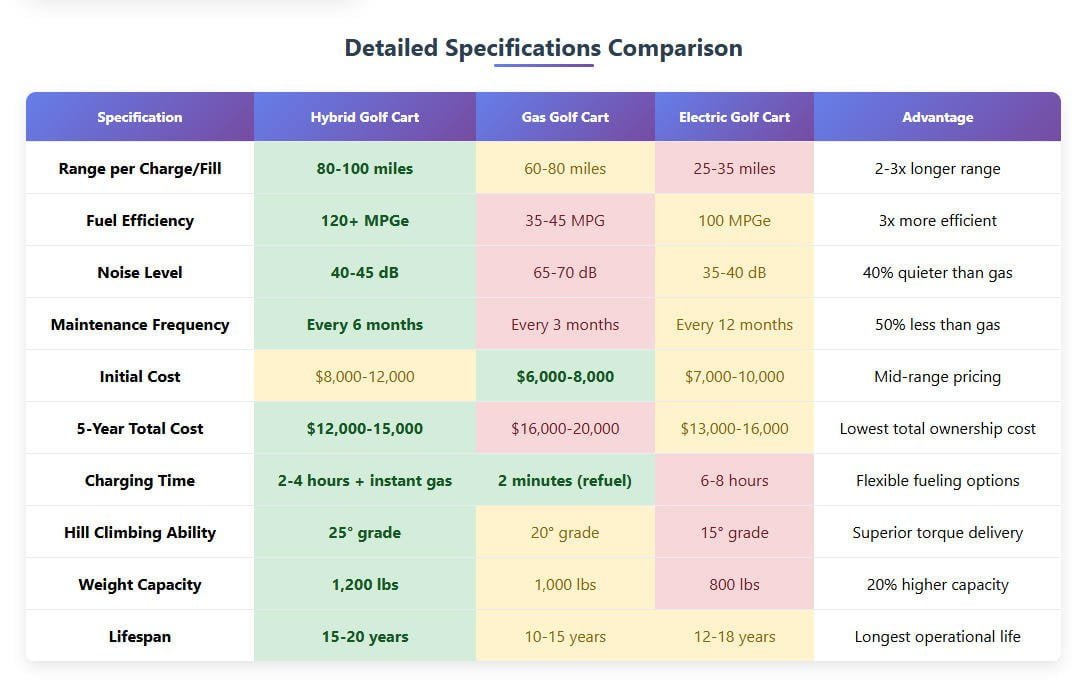
Higher upfront costs, complex maintenance requirements, and limited service networks create barriers for many golf course operators. Battery selection and replacement expenses add long-term ownership considerations.
Technical and Economic Barriers
Initial purchase prices run 30-50% higher than traditional gas carts. Small golf courses with tight budgets struggle to justify the upfront investment despite long-term savings. Financing options help but don't eliminate the sticker shock completely.
Service complexity increases with hybrid systems. Technicians need training on both gas engines and electric components. Many rural golf courses lack access to qualified service providers. This creates downtime risks that concern operators.
Battery technology choices affect long-term costs significantly. The market offers two main options: ternary lithium and lithium iron phosphate (LiFePO4) batteries. We recommend LiFePO4 batteries8 for golf carts because they offer superior safety and longer life cycles.
Parts availability varies by manufacturer and region. Hybrid systems use specialized components that may require longer lead times for replacement. Golf courses need reliable parts supply to minimize operational disruptions.
Market Maturity Issues
Limited production capacity constrains market growth6. Few manufacturers can produce hybrid golf carts at scale. This limits options for buyers and keeps prices elevated compared to traditional alternatives.
Technology standardization remains incomplete across the industry. Different manufacturers use incompatible systems, making it difficult to switch suppliers or find universal service solutions.
Training requirements extend beyond technical staff. Golf course staff need education on proper hybrid cart operation and basic troubleshooting. This adds operational complexity that some facilities prefer to avoid.
| Challenge | Impact Level | Mitigation Strategy | Timeline |
|---|---|---|---|
| High costs | High | Volume discounts, financing | 2-3 years |
| Service complexity | Medium | Training programs | 1-2 years |
| Parts availability | Medium | Inventory partnerships | Ongoing |
| Technology gaps | Low | Industry standards | 3-5 years |
What Does the Future Hold for Hybrid Golf Carts?
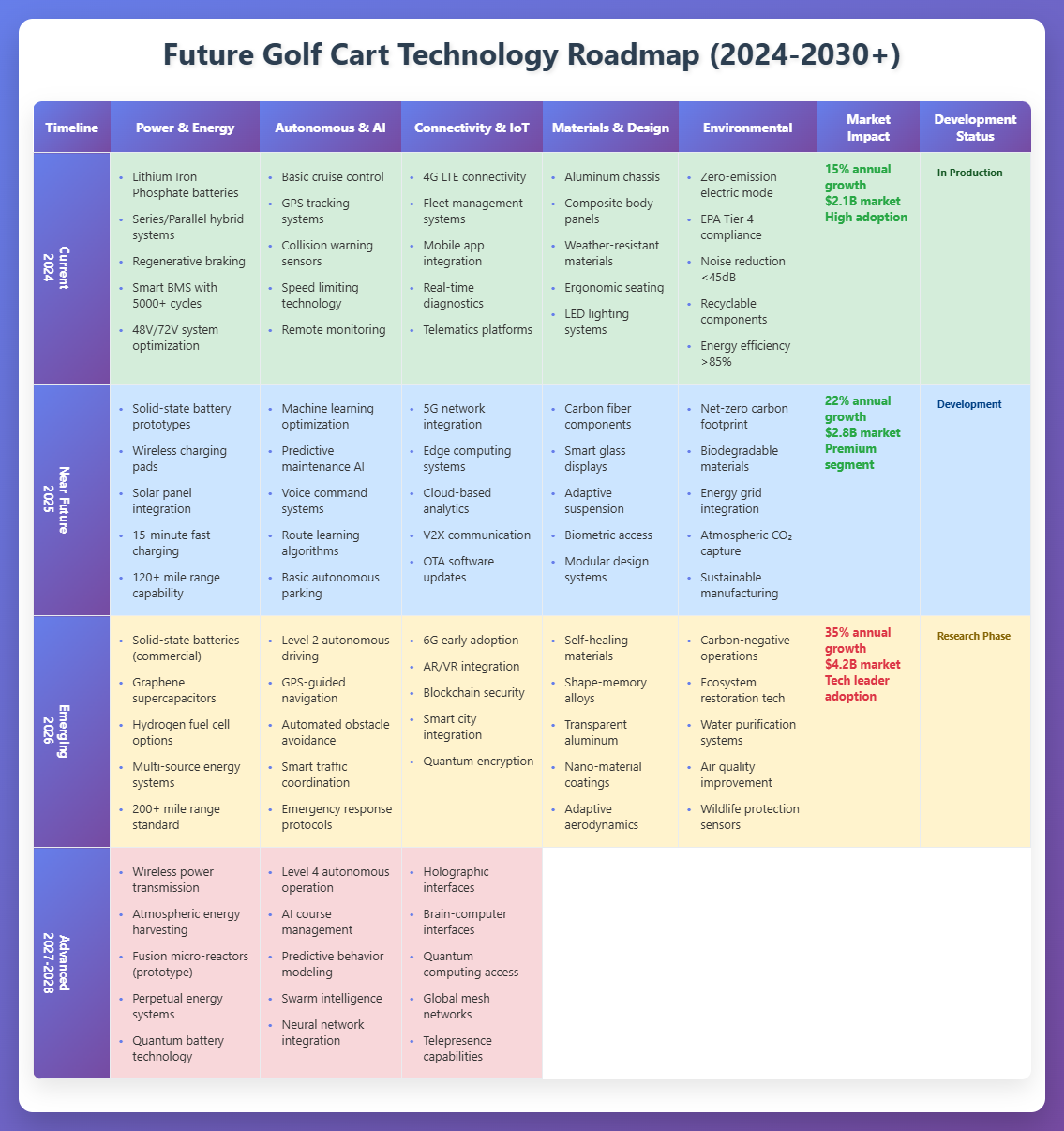
Market trends and technology developments point toward accelerated hybrid adoption. Several factors will shape the industry's direction over the next five years.
Global hybrid golf cart sales should reach $500 million by 2030, driven by environmental regulations, fuel cost increases, and technology improvements. Mass production will reduce costs while expanding service networks.
Technology Evolution Predictions
Battery technology continues improving rapidly. Energy density increases while costs decrease annually. Next-generation batteries will offer 50% more range with 30% less weight within three years. This addresses current range limitations effectively.
Charging infrastructure expansion accelerates hybrid adoption. Golf courses are installing fast-charging stations that can top off hybrid batteries during lunch breaks. This maximizes electric operation while minimizing gas engine usage.
Smart technology integration becomes standard. GPS systems optimize hybrid power management based on course layout and usage patterns. Predictive maintenance alerts prevent breakdowns before they occur.
Manufacturing scale economics will drive costs down. As production volumes increase, hybrid cart prices should approach traditional gas cart levels by 2028. This removes the primary adoption barrier for most golf courses.
Regulatory and Market Drivers
Environmental regulations tighten globally. California's zero-emission vehicle requirements may extend to golf carts within five years. Similar regulations in Europe and Asia will mandate cleaner alternatives to traditional gas carts.
Fuel price volatility makes hybrid economics more attractive. Recent gas price spikes convinced many golf course managers to consider alternatives. Hybrid carts provide protection against future fuel cost increases.
Corporate sustainability commitments drive demand from large resort chains and management companies. These organizations need demonstrable environmental improvements to meet stakeholder expectations.
Insurance incentives may favor hybrid fleets. Some insurers offer discounts for environmentally friendly vehicle fleets. This trend should expand as hybrid golf carts prove their safety and reliability records.
How Should You Approach Hybrid Golf Cart Purchase Decisions?
Making the right hybrid golf cart investment requires careful analysis of your specific operational needs and constraints. Not every golf course benefits equally from hybrid technology.
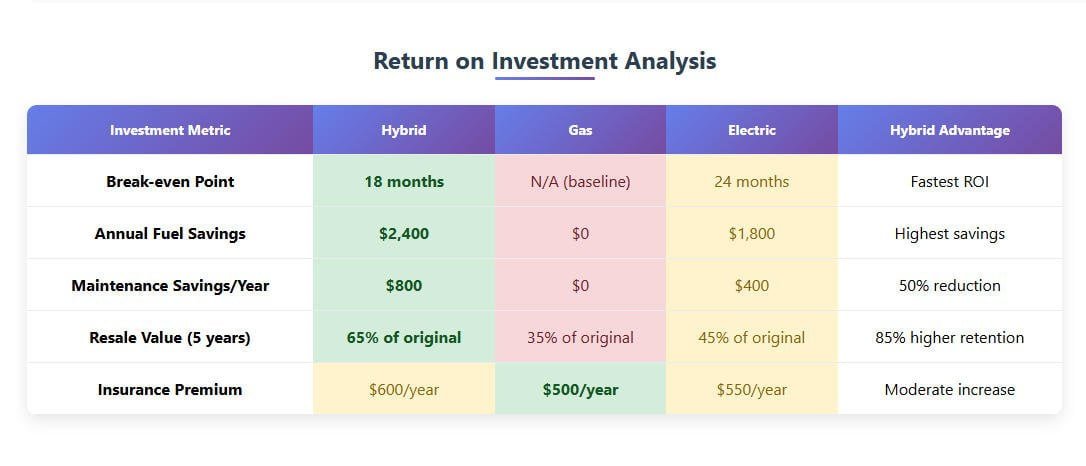
Evaluate your daily cart usage, maintenance capabilities, and budget constraints before committing to hybrid technology. Consider total cost of ownership9 over five years rather than just upfront prices.
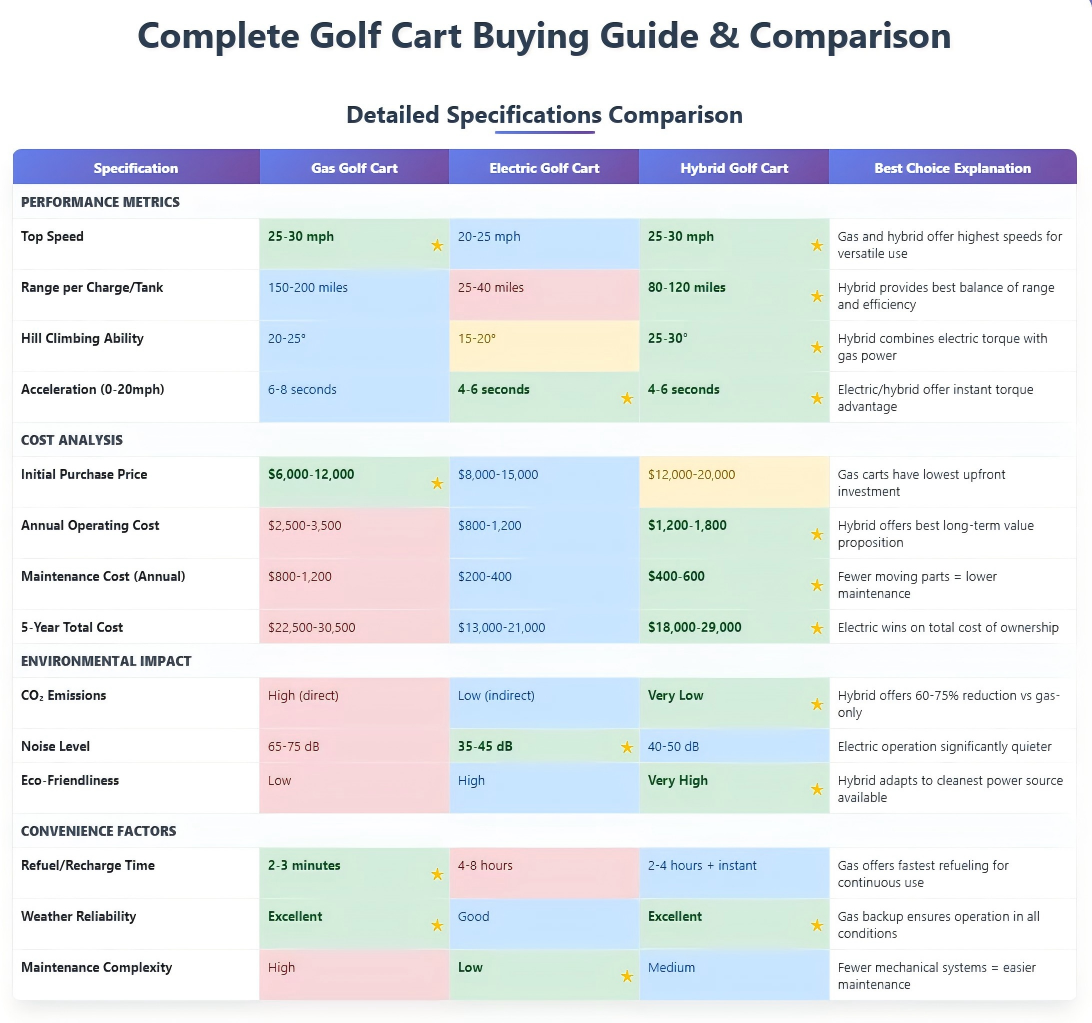
Assessment Framework for Buyers
Calculate your current fuel costs and maintenance expenses for existing gas carts. Golf courses using carts more than six hours daily typically see faster payback periods from hybrid investments. Lower-usage facilities may not justify the premium costs.
Assess your maintenance capabilities honestly. Do you have trained technicians or reliable service partners? Hybrid carts require specialized knowledge that traditional mechanics may lack. Factor training costs or service contracts into your budget planning.
Consider your course layout and usage patterns. Hilly courses with frequent stops favor hybrid technology more than flat courses with steady driving. Resort properties with street-legal requirements benefit significantly from hybrid capabilities.
Evaluate financing options10 carefully. Lease programs may make hybrid carts affordable for smaller operations. Some manufacturers offer performance guarantees11 that reduce adoption risks.
Plan for battery replacement cycles. LiFePO4 batteries8 typically last 8-10 years with proper care. Budget approximately $2,000-3,000 per cart for eventual battery replacement to avoid surprises.
Test different hybrid systems before deciding. Manufacturers like Shining Vehicle offer demonstration programs that let you experience hybrid performance firsthand. This eliminates guesswork from your purchasing decision.
Conclusion
Hybrid golf carts2 represent a practical evolution addressing real industry challenges. Rising fuel costs, environmental pressure1, and operational efficiency demands make hybrid technology increasingly attractive for forward-thinking golf course operators.
About Shining Vehicle
Shining Vehicle brings over 10 years of golf cart manufacturing experience to the global market. Based in China, we provide high-quality, customized golf cart solutions for brands, wholesalers, and dealers worldwide.
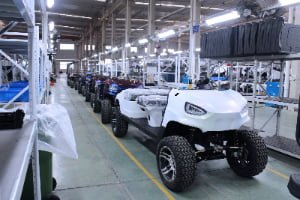
Our comprehensive production capabilities include chassis welding, electrophoretic coating, plastic spraying, body painting, gas engine production, and final assembly. All production lines employ experienced staff with 5+ years of expertise, ensuring consistent product quality and reliability.
Our Services:
- Complete golf cart solutions from design to delivery
- Custom color, logo, and configuration options
- International certifications: ISO9001, CE, WMI
Quality Assurance:
- Toyota-grade controllers and motors for superior durability
- EVE lithium battery cells ranked in global top three for safety and longevity
- Professional testing equipment for precise quality con
Understand the environmental challenges that golf courses must address in today's market. ↩
Explore the advantages of hybrid golf carts, including fuel efficiency and reduced emissions. ↩
Learn how improved fuel efficiency can significantly lower operational costs for golf courses. ↩
Discover how hybrid golf carts provide an extended range compared to traditional models. ↩
Find out how hybrid technology can help golf courses save money on fuel and maintenance. ↩
Get insights into the rapid growth of the hybrid golf cart market and its future potential. ↩
Explore the regulations that are driving the adoption of hybrid golf carts in various regions. ↩
Discover why LiFePO4 batteries are recommended for their safety and longevity. ↩
Understand the long-term financial implications of investing in hybrid golf carts. ↩
Learn about financing solutions that can make hybrid golf carts more accessible. ↩
Explore how performance guarantees can reduce risks associated with hybrid cart investments. ↩